
As temperatures begin to cool in Maryville, IL, pests start looking for warm, quiet places to survive the colder months. Fall is one of the most active seasons for pest invasions, especially when it comes to rodents and insects trying to move indoors. Homes provide food, shelter, and warmth—everything pests need as outdoor conditions become less inviting. Understanding why fall pest activity increases and what attracts pests to your home can help reduce the chances of unwanted guests settling in for the winter.
Why Pests Are More Active in the Fall
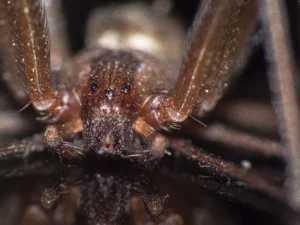
Rodents like mice and rats sense seasonal changes early. As food sources outside decline and nighttime temperatures drop, they begin searching for protected nesting areas. Insects such as ants, spiders, and stink bugs follow a similar pattern, moving toward structures that offer stable temperatures and moisture. Even homes that stayed pest-free all summer can suddenly experience issues in fall. Small cracks, utility line openings, and worn door seals become easy access points once pests start actively searching for entry.
Common Fall Pests in Maryville Homes
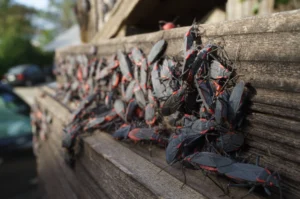
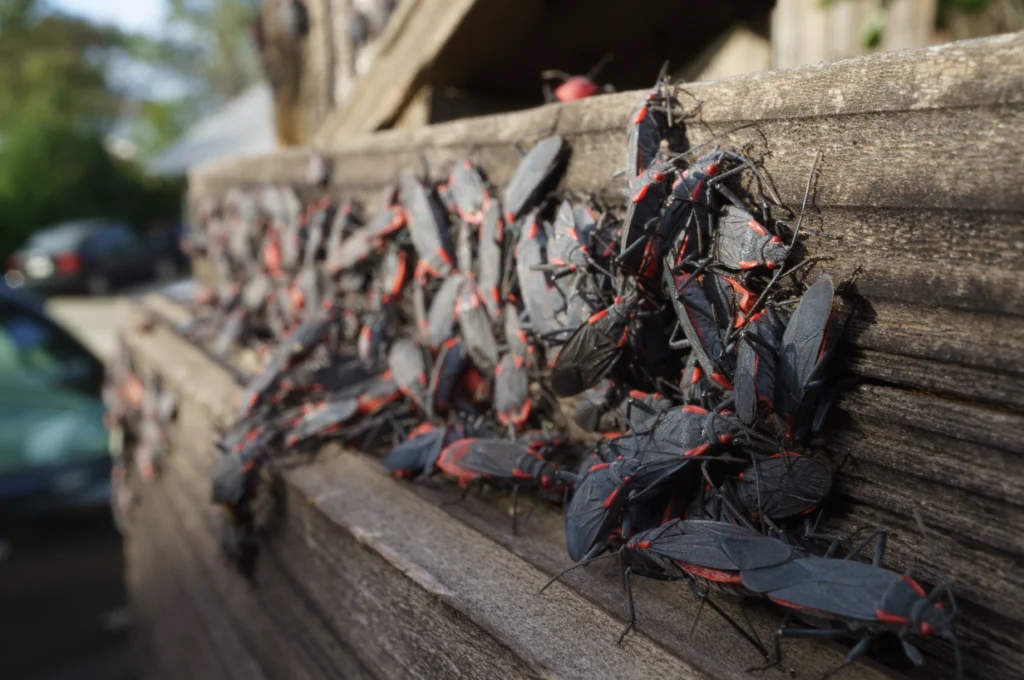
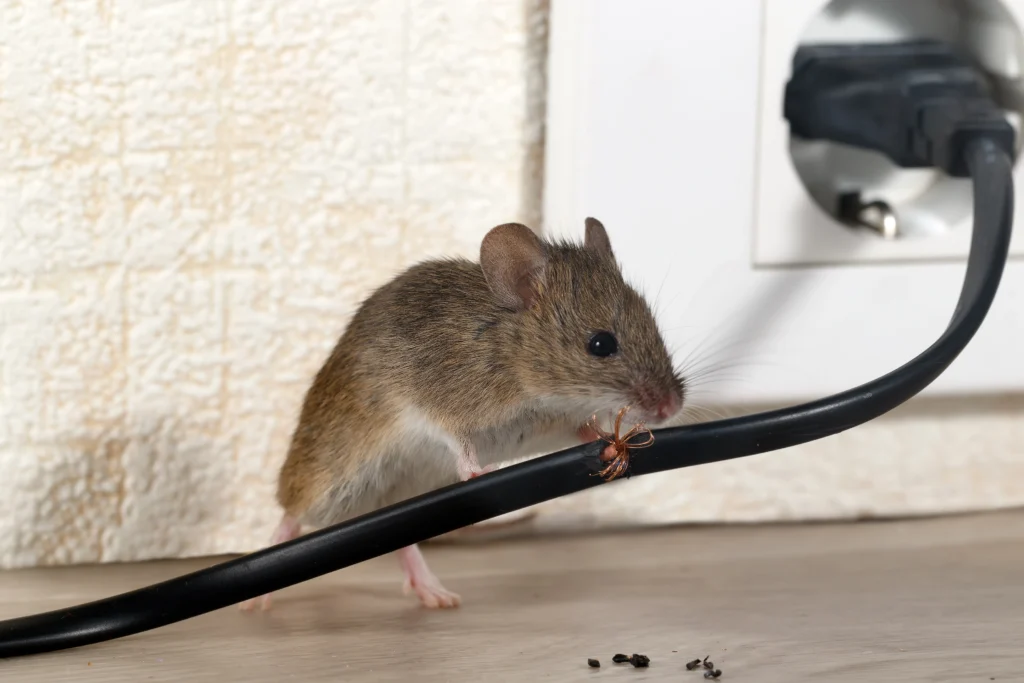
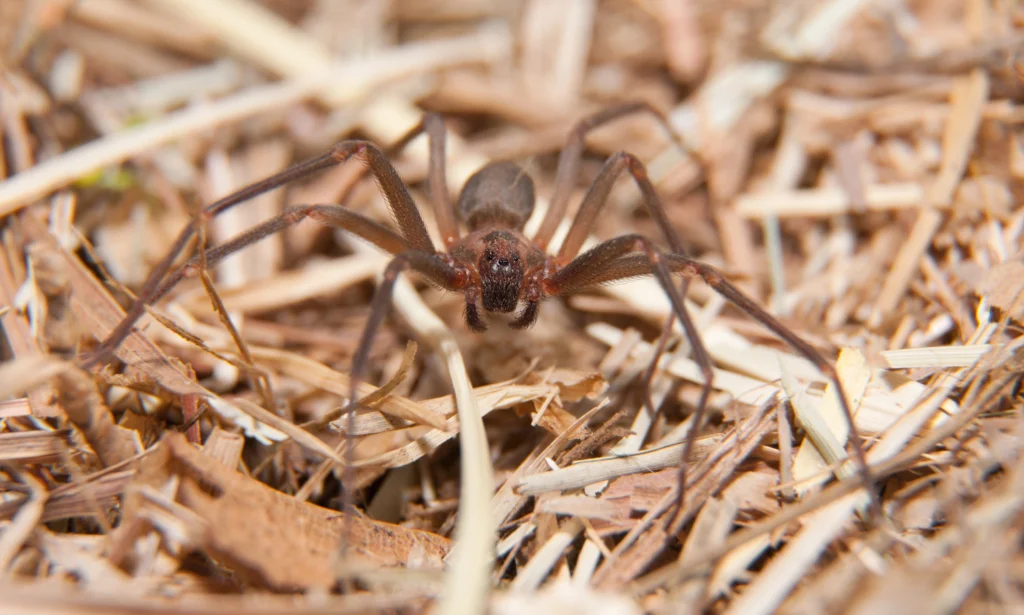
Rodents are one of the biggest concerns during fall. Mice can squeeze through openings as small as a dime, often entering through foundation gaps, garage doors, or vents. Once inside, they can contaminate food, chew wiring, and reproduce quickly. Insects also become a problem this time of year. Ants may invade kitchens in search of crumbs and moisture. Spiders move indoors following prey insects, often appearing in basements, garages, and corners of living spaces. Overwintering insects like boxelder bugs and stink bugs cluster around siding and may slip inside on warmer fall days.
How Pests Get Inside
Many fall infestations begin unnoticed. Cracks in foundations, gaps around windows, damaged siding, and openings around pipes all create easy access. Garages are especially vulnerable, as rodents can slip under poorly sealed doors or enter through storage clutter. Once inside, pests often stay hidden at first—nesting in walls, crawl spaces, or attics—making early prevention especially important.
Simple Fall Prevention Steps That Make a Difference
Reducing pest activity starts outside the home. Sealing gaps and cracks, repairing damaged screens, and installing door sweeps can significantly limit entry points. Keeping firewood stacked away from the house and trimming vegetation back from siding removes hiding spots near the structure. Inside, food storage plays a major role. Sealing pantry items in airtight containers, wiping down counters, and managing trash regularly helps eliminate attractants. Basements and garages should be kept organized to reduce nesting opportunities.
Why Professional Fall Pest Control Matters
While basic prevention helps, fall pest pressure can overwhelm even well-maintained homes. Professional pest control focuses on identifying hidden entry points, applying targeted treatments, and addressing pest behavior before infestations become established. Fall treatments are especially effective because they stop pests before winter, when infestations are harder to detect and resolve. Proactive service can prevent rodents from nesting and insects from overwintering indoors, reducing problems well into the colder months.
Fall is the ideal time to address pest issues because activity is high and prevention efforts are most effective. Waiting until winter often means pests are already settled inside walls or attics. By taking action early, homeowners in Maryville, IL can protect their homes, reduce damage risks, and enjoy a more comfortable season indoors without unwanted pests. Call Brady Pest Solutions for pest control services this Fall in your home.