As temperatures rise and moisture levels increase, termite activity ramps up across Lebanon, IL. Spring and early summer mark the start of termite season, when colonies become more active and begin searching for new food sources. Because termites work quietly and out of sight, many homeowners don’t realize there’s a problem until serious structural damage has already occurred. Knowing the early warning signs can help you act quickly and protect your home.
Why Termites Are More Active This Time of Year
Termites thrive in warm, damp conditions. After winter, colonies emerge to expand and reproduce, often sending out swarmers to establish new nests. Homes with wood structures, crawl spaces, basements, or excess moisture are especially attractive. Even well-maintained properties in Lebanon can be vulnerable, since termites don’t discriminate based on age or appearance of a home.
Swarming Insects Near Your Home
One of the most noticeable signs of termite season is swarming. Termite swarmers are winged reproductive termites that leave their colony to form new ones. Homeowners often mistake them for flying ants, but termites have straight antennae, uniform waists, and wings of equal length. Seeing swarmers indoors or around windows, doors, and light fixtures is a strong indicator that a colony may be nearby—or already inside.
Discarded Wings Around Windowsills
After swarmers find a place to nest, they shed their wings. Piles of tiny, translucent wings near windowsills, door frames, or baseboards are a red flag. Even if the insects themselves are gone, discarded wings suggest termites have already made contact with your home.
Mud Tubes Along Foundations or Walls
Subterranean termites, the most common type in Illinois, build pencil-sized mud tubes to travel between their nest and food sources. These tubes are often found along foundation walls, crawl spaces, basement walls, or exterior siding. Mud tubes protect termites from light and dry air, so spotting them usually means active termite movement.
Hollow or Damaged-Sounding Wood
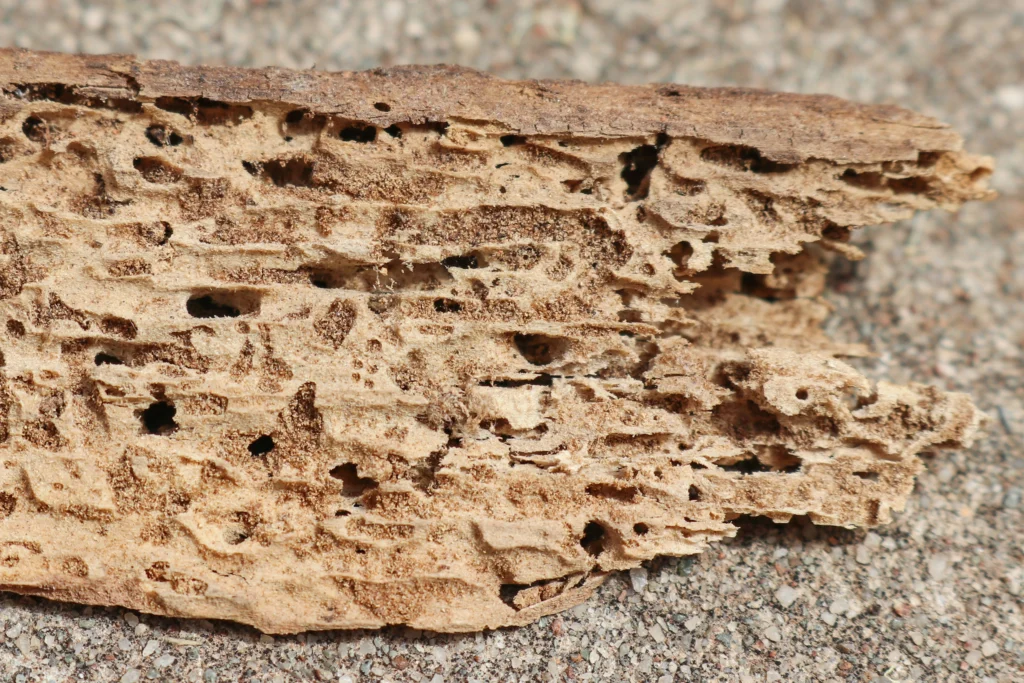
Termites consume wood internally, often hollowing it out while the surface appears undamaged. This makes damage difficult to detect at first. If wood sounds hollow when tapped or feels soft and weak, termites may be feeding beneath the surface. Floors, support beams, window frames, and door frames are common targets.
Bubbling Paint or Tight-Fitting Doors
Termite activity can cause paint to bubble or peel, often resembling water damage. As termites tunnel through wood, they create moisture buildup that affects the surface. Similarly, doors and windows may suddenly become difficult to open or close due to warped wood caused by internal damage.
Small Holes or Frass Near Wood Structures
Drywood termites leave behind small pellets called frass, which resemble sawdust or coffee grounds. While less common in this region, any unexplained debris near wooden structures should be taken seriously. Tiny holes in wood surfaces can also indicate where termites have entered or exited.
Why Early Detection Matters
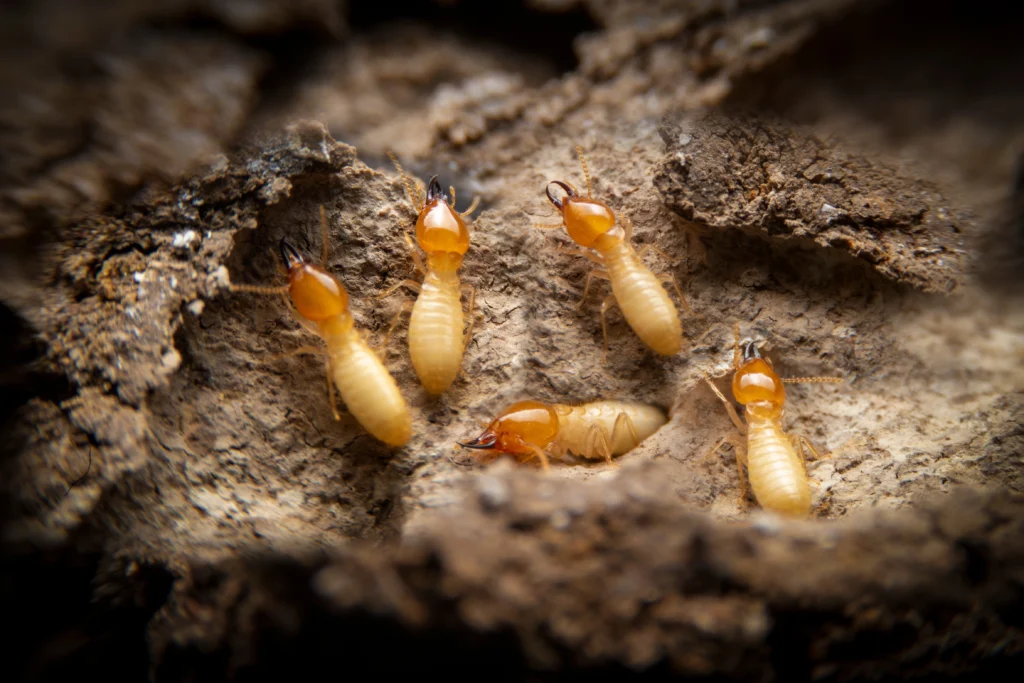
Termite infestations often lead to costly structural damage long before any obvious warning signs are noticeable. The sooner activity is identified, the easier it is to limit repair costs and structural impact. Regular inspections during termite season are especially important for homeowners in Lebanon, IL, where seasonal weather creates ideal conditions for termite activity.
Being aware of these warning signs can significantly reduce the risk of serious damage. Termites don’t take a break during warm months, and ignoring early clues allows colonies to grow unchecked. Being proactive now helps safeguard your Lebanon, IL home before minor issues turn into major repairs. Contact Brady Pest Solutions to keep your home protected from termites.